National Conference on Material Chemistry
‘Functional Materials for Sustainable Development’ FMSD-26
23rd and 24th January 2026
Organized by
The Department of Chemistry in Collaboration with DHE, Goa



About
Goals of the Conference
The conference aims to provide a common platform for young researchers and eminent scientists to discuss the most recent important discoveries and developments in the field of advanced materials, to foster discussions and trigger collaborations between research groups and exchange novel ideas.
Topics will range from catalysis, energy storage, environmental remediation, sensors, biomimetic materials to smart materials.
The conference program will feature keynote and invited talks by eminent researchers from across the country, along with oral and poster presentation by students and doctoral researchers.
The symposium is supported by Directorate of higher education (DHE), Goa.
Themes of the Conference
Deliberations of the symposium will cover (but is not limited to) the following topic :
- Structural Inorganic, Organic, Organometallic and Materials Chemistry
- Catalysis
- Energy Storage and Conversion
- Environmental Chemistry
- Sensors and Smart Materials
- Nanomaterials
- Materials for healthcare
- Magnetic materials
- Hybrid materials and composites
About FMSD-26
Structure of the Conference
The conference will be divided into several sessions. There will be a Key note lecture ( 40 Mins), invited talks (30 mins) and short lectures (15 mins) in each session.
In addition, poster session will give opportunities to research scholars and students to present their recent results. There will be a poster competition and the selected posters will be awarded best poster award in recognition of their research achievement. .
About Carmel College
Carmel College of Arts, Science and Commerce for Women, located in Nuvem, Goa, is a prestigious institution established June 1964 with the mission to fulfill the need for higher education exclusively for women in the state. It holds the unique distinction of being the first and only women’s college at the undergraduate level in Goa. Managed by the Sisters of the Congregation of the Apostolic Carmel, a Roman Catholic congregation with over 150 years of experience in education, the college aims to provide a holistic learning environment that integrates academic excellence, character building, and human ethics. The college is located in a serene village setting at the foothills of Nuvem and is easily accessible via the Margao-Panjim National Highway.
The college offers undergraduate courses in Arts, Science, and Commerce with single or double majors in various subjects including English, Hindi, Psychology, History, Economics, Political Science, Konkani, Physics, Chemistry, Botany, Zoology, and Commerce. Admission is merit-based, focusing on students’ performance in their higher secondary and bachelor’s degrees. It also provides postgraduate programs like M.A. in Psychology and M.Com. in Management and M.Sc in Food Technology, admissions for PG courses are based on GUART.
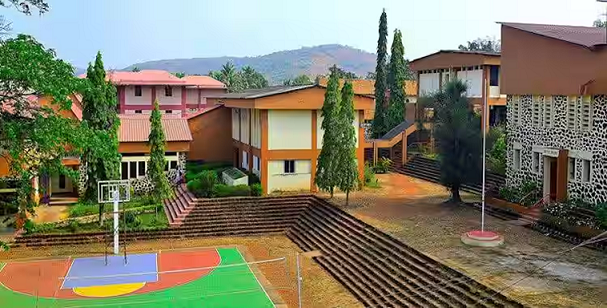
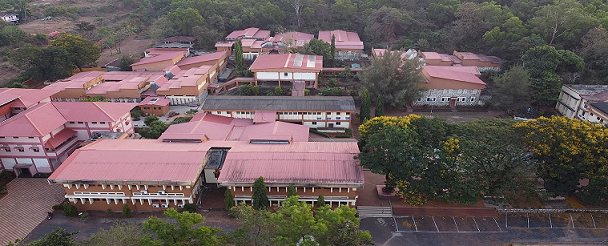
The college campus is situated at the foothills of the serene Nuvem village, providing a tranquil and conducive atmosphere for study and personal growth. Spread over a sprawling 32-acre green campus on the Margao-Cortalim highway (NH-66), it offers plenty of room for expansion and maintains modern facilities, including classrooms designed in amphitheater style equipped with projectors, a spacious library that can seat 200 students, an auditorium with a 700-seat capacity, and hostel accommodation for about 100 students. The college also provides Wi-Fi, a natural history museum, and sports infrastructure like an indoor stadium and basketball court.
Facilities at Carmel College include a spacious library, modern classrooms (some amphitheater-style with overhead projectors and LCDs), a large auditorium, hostel accommodations, and a Natural History Museum. The college emphasizes holistic development integrating academic excellence, ethical values, and leadership skills, with active mentorship by qualified faculty. It holds a A grade accreditation from NAAC and maintains collaborations with research and environmental organizations.
Research and collaborations form an integral part of the college’s academic profile. It undertakes various research projects focusing on biodiversity, ecology, and environmental studies in partnership with reputed institutions such as the Zoological Survey of India, Botanical Survey of India, National Institute of Oceanography, and the Bombay Natural History Society. These research activities encompass studies on Goa’s marsh crocodiles, coastal ichthyofauna, butterfly diversity, mangrove fauna, bird nesting ecology, as well as eco-theology and sustainable development.
Carmel College is noteworthy for its dedication to women’s empowerment by offering access to higher education, especially benefiting first-generation learners. It is the only undergraduate non-professional college in Goa that provides hostel facilities for women students. The institution also emphasizes community outreach, environmental awareness, and aims to instill leadership qualities and altruistic values in its students to prepare them for future societal challenges
The institution’s mission focuses on educating young women for altruistic leadership, combining faith, character building, and academic rigor in a safe and supportive environment. Its rich history, comprehensive academic offerings, and commitment to empowering women make it one of the premier women’s colleges in Goa.
In summary, Carmel College for Women in Goa is a pioneering and prestigious institution dedicated to women’s education, with a beautiful campus, solid academic programs, active research, and a nurturing environment focused on all-around development and empowerment of young women in the region.
About Goa
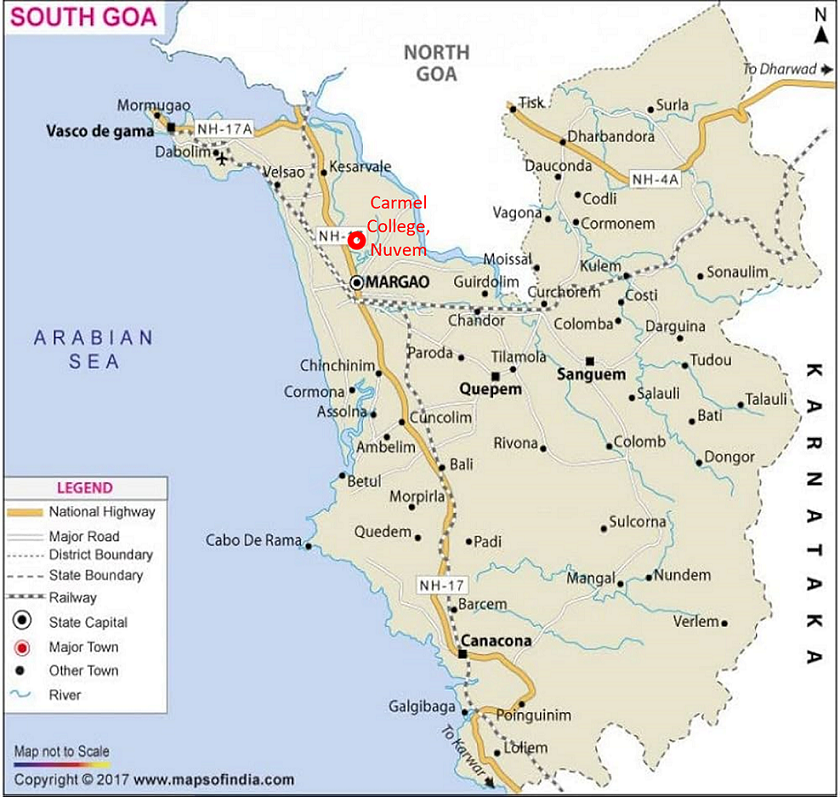
South Goa is a district in the state of Goa, India, located in the southern part of the state along the Arabian Sea coast. It is renowned for its natural beauty, cultural heritage, and tranquil atmosphere, making it a premier destination for tourists seeking a blend of serene beaches, historical sites, and vibrant local culture. The administrative headquarters of South Goa is Margao, the commercial capital of Goa, which is a lively city known for its markets, colonial architecture, and cultural diversity
Geographically, South Goa is bordered by North Goa district to the north, Karnataka state to the south and east, and the Arabian Sea to the west. The district covers an area of approximately 1,946 square kilometers and includes several talukas such as Salcete, Canacona, Quepem, Sanguem, Dharbandora, and Mormugao. The region is known for its extensive coastline, which features some of Goa’s most famous beaches including Colva, Palolem, Benaulim, and Agonda. These beaches are less crowded compared to those in North Goa, offering a quieter and more relaxed vibe that appeals to families, honeymooners, and those looking for peaceful beach retreats.
South Goa also boasts a rich cultural and historical heritage, reflected in its numerous temples, churches, and colonial-era architecture. Key religious sites include the Mangeshi Temple, one of the largest and most frequently visited Hindu temples in Goa, and the Basilica of Bom Jesus in Old Goa, a UNESCO World Heritage site known for its Baroque architecture and the tomb of St. Francis Xavier. The district’s Portuguese legacy is visible in its churches and quaint villages, which are celebrated during local festivals and carnivals
Tourism forms the backbone of South Goa’s economy, supplemented by agriculture and mining. The district offers diverse activities ranging from water sports such as surfing and diving to jungle treks and spice plantation tours. Visitors can enjoy dolphin spotting cruises, Ayurvedic massages, and houseboat experiences, making it an excellent destination for both adventure seekers and leisure travelers. South Goa’s markets, particularly in Margao, provide excellent shopping opportunities for local handicrafts, spices, and souvenirs.
Goan cuisine reflects its syncretic heritage, combining seafood-centric coastal flavors with spices and cooking techniques from broader Indian and Portuguese traditions. Expect curries, vindaloo, seafood, and both sweet and savory baked goods influenced by colonial times
Daily life in Goa often centers around coastal livelihoods, tourism-driven employment, and a vibrant calendar of events that ranges from beach parties to church and temple festivites, illustrating a society that balances tradition with modernity.
Demographically, South Goa is home to a population of over 640,000 people as per the 2011 census, with a high literacy rate of approximately 85%. The religious composition is predominantly Hindu, with significant Christian and Muslim minorities. Konkani is the main language spoken, alongside Hindi, Marathi, Kannada, and English. The district also has important educational institutions like the National Institute of Technology, Goa, and the Birla Institute of Technology and Science campus
Overall, South Goa is known for its tranquil environment, beautiful beaches, rich cultural heritage, and warm hospitality. It presents a perfect blend of nature, history, and modern amenities, making it a unique and alluring destination in India.
Organizers- Department of Chemistry
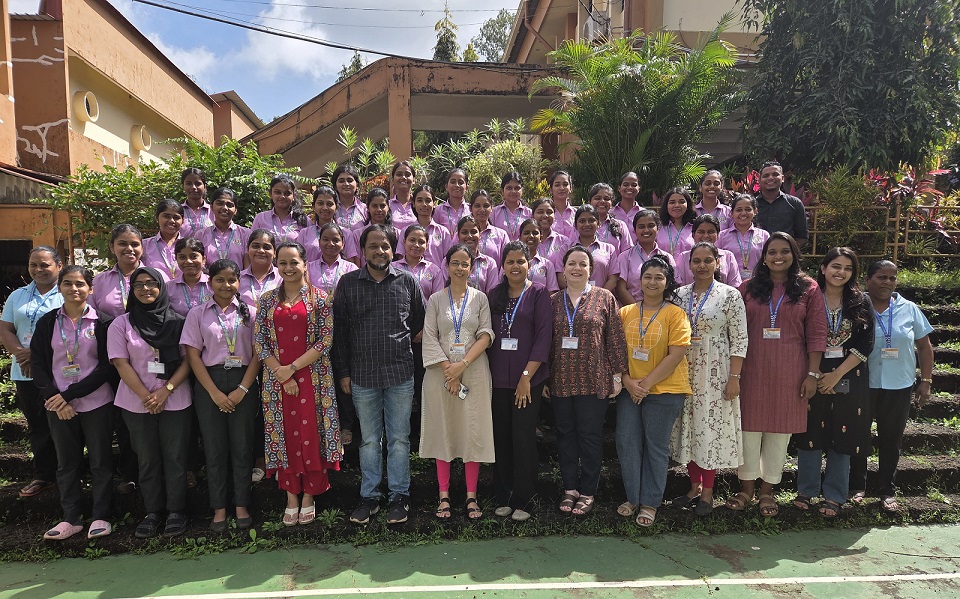
One of the largest and most vibrant departments in the college, the department of chemistry offers a degree of Bachelor of Science in Chemistry. With enthusiastic and dedicated staff, the department provides an atmosphere for the all-round development of the students.
The department has two well equipped laboratories enabling the students to get hands on experience in laboratory techniques. Apart from this the department is instrumental in extracurricular activities which include field trips to multinational industries and institutes of research, the chemistry quiz is an annual event of the department as well as the celebration of science day which gives the students the opportunity to be creative and showcase their talent. The department also organizes certificate courses in cosmetology and dance.
Completing a Bachelor in Chemistry gives the student a wide range of career opportunities from continuing their studies with M.Sc and PhD programs in Chemistry, to working as research assistants in national labs, in R and D sections of pharma companies, in quality control and quality assurance departments in industries, in teaching positions in schools and colleges.
List of Speakers
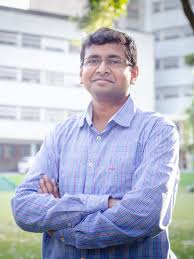
Prof. Vivek Polshettiwar, TIFR, Mumbai.
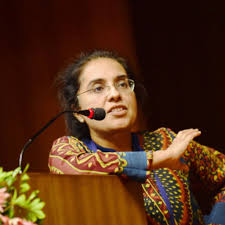
Prof. Deepa Khushalani, TIFR, Mumbai.
Prof. Rodney A. Fernandes, IIT Bombay.
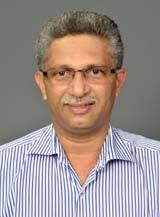
Prof. V. M. S. Verenkar, Goa University, Goa.
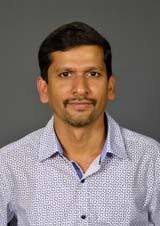
Prof. S. N. Dhuri, Goa University, Goa.
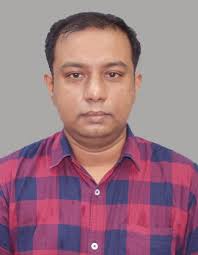
Prof. Subhasish Roy, BITS Pilani K.K. Birla, Goa.
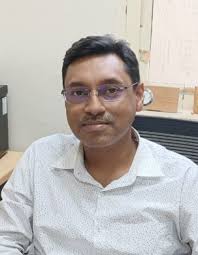
Prof. Mainak Banerjee, BITS Pilani K.K. Birla, Goa.

Prof. Sounak Roy, BITS Pilani, Hyderabad
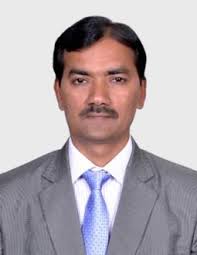
Prof. S.S. Kolekar, Shivaji University, Kolhapur.
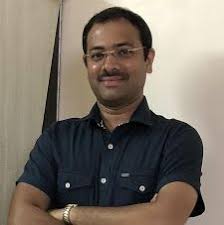
Dr. Amit Vernekar, CSIR-Central Leather Research Institute, Chennai.
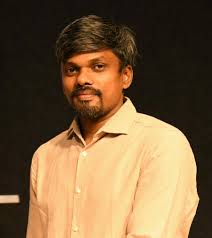
Dr. Kiran Vankayala , BITS Pilani K.K. Birla, Goa.
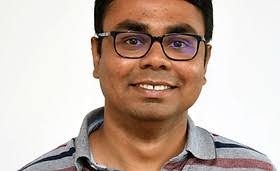
Dr. Raja Mitra, IIT, Goa
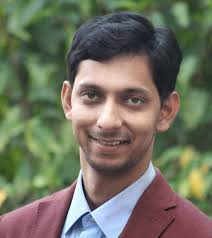
Dr. Sudipta Chatterjee, BITS Pilani, Goa
Important Dates
Last date of abstract submission: 12/12/2025
Acceptance of Abstracts: 22/12/2025
Last Date of Registration: 31/12/2025
Click here for Abstract Submission format
Click here to Register for the conference and upload abstract.
Desirous participants may submit the contributory papers (as per the template provided along with the brochure) at www.carmelcollegegoa.org/fmsd2026/ on or before December 12, 2025. Please note that the papers received online only would be considered for participation. The Organizing Committee will decide the acceptance/rejection of papers after evaluation. Acceptance of papers will be communicated by December 22, 2025. Inclusion of the papers and participation of authors will be confirmed after payment of registration fee by December 31, 2025.
Registration Fee Details (Before 31/12/2025)
Conference Fee Details
| Conference Fee Details | |
| Carmel College Students | 300/- |
| Students (UG/PG) | 500/- |
| Delegates from University/ Educational Institutions and Government Departments | 1500/- |
| Research Scholars/PhD Students (students) | 800/- |
| Delegates from Industries | 2500/- |
Bank Details
| CARMEL SOCIETY BANK: BANK OF BARODA BRANCH: BENAULIM ACCOUNT NO. 04830100003877 IFSC CODE: BARB0BENAUL (fifth character is zero) MICR CODE: 403012014 |
Venue
How to reach the venue
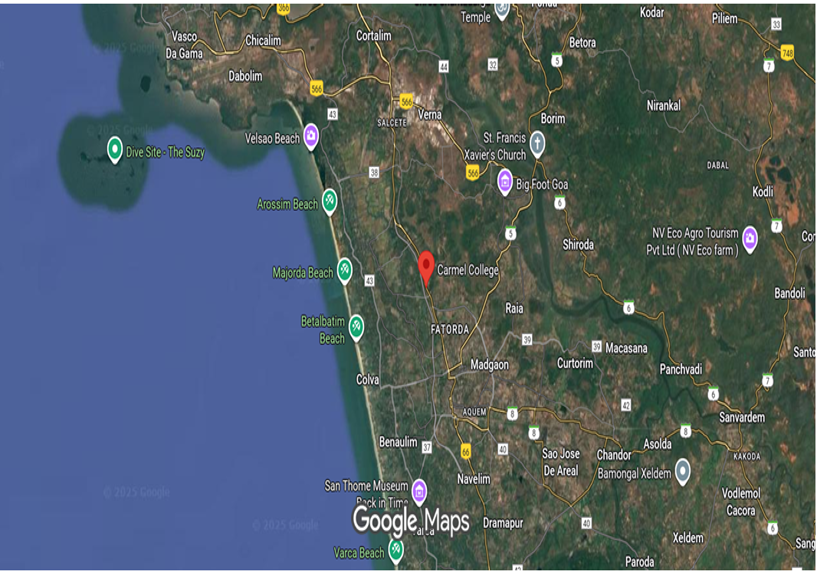
Accessing Carmel College Women, Nuvem is facilitated through diverse transportation options, guaranteeing convenience for both attendees and visitors.
Air Travel
Goa boasts two airports, namely Goa International Airport (Dabolim), situated approximately 19 km away and Manohar International Airport (Mopa), which is roughly at a distance of 57 km from Carmel College of Arts, Science and Commerce for Women, Nuvem, the venue for the symposium. Goa International Airport, being the closest, is extensively connected to major cities across India, providing a time-efficient air travel option. One can find regular flights to this tropical paradise from cities like New Delhi, Mumbai, Bengaluru, Hyderabad, Kochi, and Chennai. The fastest way to reach Goa is often by taking a flight from Mumbai or Bengaluru, with the journey typically lasting around an hour. Air India is recognized as the national carrier. However, travelers can choose among various airlines, including SpiceJet, IndiGo, Air Asia, Akasa Air and Vistara. Upon arrival, pre-paid taxis are readily available to reach the Campus.
Pre-paid Taxi service at the Airports
Pre-paid Taxi counters are available at the airport arrival area.
Goa International Airport (Dabolim) to Carmel College, Nuvem : ~Rs. 1000/-
Manohar International Airport (Mopa) to Carmel College, Nuvem : ~Rs. 3,000/-
One can also avail the ‘Goa Miles’ cab service via the Government certified transportation portal: https://www.goamiles.com.
Note: The rates may vary accordingly and can be higher if not pre-paid. The above rates and information are representative and approximate. Organizers are not responsible for any deviation in prices and information mentioned above.
Rail Travel
Those inclined towards rail travel can commute by train and arrive at Madgaon railway station, which is 08 km away or Vasco railway station which is 24 km from Carmel College, Nuvem. These railway stations have established connections to major cities in the region.
Vasco Railway Station to Carmel College, Nuvem : ~Rs. 2,000/-
Madgaon Railway Station to BITS Pilani K K Birla Goa Campus: ~Rs. 500/-
Note: The above rates and information are representative and approximate. Organizers are not responsible for any deviation in prices and information mentioned above.
Road Travel
The campus is easily reachable by road, with well-maintained highways and road networks linking it to neighboring towns and cities like Mumbai, Bangalore, Pune, Hyderabad etc.